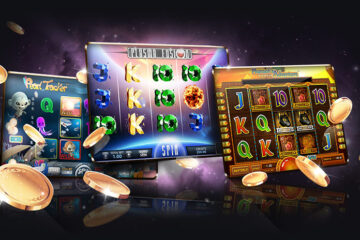
Which online slot graphical styles appeal to audiences?
Visual presentation styles divide player preferences along aesthetic sensibility lines where artistic direction determines initial attraction and sustained engagement throughout sessions. Photorealistic renderings, cartoon illustrations, minimalist designs, retro pixel art, and abstract artistic expressions each attract distinct demographic segments seeking particular visual experiences. Visual elements help define game identity and thematic focus, as explained in analyses of MrATM88 Slot. Style selection reflects target audience preferences, where realistic graphics appeal to certain sensibilities, while stylised approaches resonate with alternative aesthetic values, creating segmented market appeal across diverse player populations.
Photorealistic visual execution
Detailed three-dimensional visuals with real lighting and strong textures create a sense of quality and technical skill. These details make players feel that the work is carefully built and well finished. Realistic visual styles show the size of the development effort through smooth motion and rich atmosphere. This kind of work needs a lot of time and resources to create a high-quality feeling. Character models show facial emotion, clothing detail, and natural movement in a clear and honest way. This shows strong artistic goals and separates these games from simpler designs. World backgrounds show real landscapes, buildings, and changing light that make the space feel alive.
Players do not just look at these worlds but feel like they are inside them. This realistic style attracts people who enjoy film-level visual quality in games. These players are used to high-quality games and video content and expect the same standard. Realistic graphics show care, hard work, and attention to detail in every part of the project. This builds trust that the gameplay is also made with the same level of effort. This style works best in story-based adventures and historical themes where realism supports the mood. It helps players forget the real world and fully accept the game world as believable.
Cartoon aesthetic charm
Illustrated styles with bold outlines and bright colours and exaggerated character shapes create visuals that feel friendly and easy to accept. These cartoon graphics give a sense of fun and a light mood, and they avoid any feeling of pressure or seriousness. Because of this, players slowly build a connection with mascots or main characters that appear again in different games. Strong colour choices make cartoon style easy to notice, and they create a happy and active feeling. Bright tones and clear contrast help the screen look positive and full of energy. Simple shapes reduce visual load and make symbols easier to understand at a glance. This helps players who prefer clear screens instead of complex and heavy designs. Animation styles employing squash-and-stretch principles, anticipation builds, and exaggerated movements inject personality and humour into mechanical processes, transforming utilitarian functions into entertaining character performances.
Minimalist design appeal
- Clean geometric shapes eliminate unnecessary decoration, focusing attention on essential gameplay elements
- Limited colour palettes create sophisticated, understated aesthetics appealing to design-conscious demographics
- Generous whitespace provides breathing room, preventing visual overwhelm during extended sessions
- Typography prominence elevates text elements as primary visual features rather than supplementary additions
- Modern flat design principles communicate contemporary sensibilities, attracting style-aware audiences
Retro pixel nostalgia
Deliberately low-resolution graphics employing limited colour palettes and chunky pixel formations tap nostalgic connections for players experiencing early gaming eras. Pixel art styles communicate authenticity and indie credibility, distinguishing implementations from mainstream productions. This aesthetic choice signals artistic intention rather than technical limitation as modern pixel art demonstrates sophisticated design understanding through careful colour selection, animation timing, and compositional balance.
Nostalgia-driven appeal extends beyond visual presentation, encompassing cultural associations with specific gaming periods. Players remembering arcade experiences, early console generations, or classic computer games feel emotional connections when encountering familiar visual languages. Retro aesthetics also attract younger demographics appreciating vintage aesthetics through cultural osmosis, despite lacking direct historical experience, creating cross-generational appeal through timeless design principles.