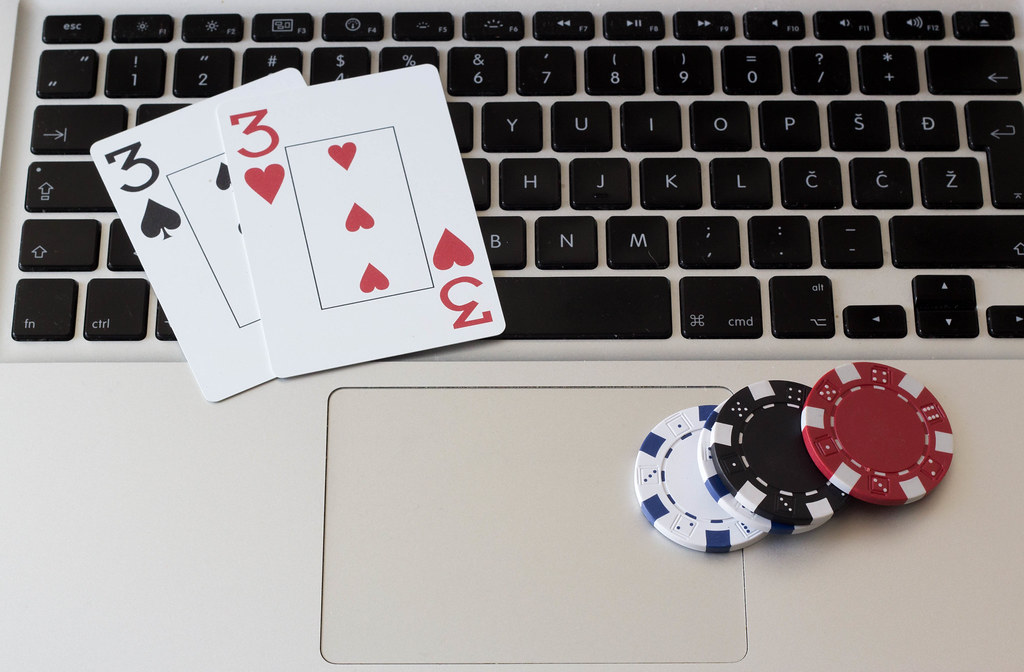
A Complete Guide to Online Poker Playing, Strategies, and Choosing the Right Platform

Online poker has transformed the traditional card game into a fast-paced digital experience accessible from almost anywhere. What once required a physical poker table can now be played on smartphones, computers, and tablets. Millions of players participate daily, ranging from beginners learning the basics to seasoned professionals competing for substantial prize pools.
This guide explains how online poker works, the most popular game formats, strategies for success, and how to select a safe and reliable platform.
What Is Online Poker?
Online poker is a digital version of traditional poker where players compete against others over the internet. Instead of sitting around a physical table, participants join virtual tables hosted on poker platforms.
The software manages:
- Card dealing and shuffling
- Betting rounds
- Player balances
- Tournament structures
Players can join cash games, where chips represent real money, or tournaments, where participants compete for prize pools.
Popular Types of Online Poker Games
Different variations of poker are available online. Each has its own rules and strategies.
Texas Hold’em
Texas Hold’em is the most widely played poker format worldwide.
Key features include:
- Each player receives two private cards
- Five community cards are placed on the table
- Players build the best five-card combination
It is popular in both casual games and professional tournaments.
Omaha Poker
Omaha is similar to Texas Hold’em but with an important difference.
- Players receive four hole cards
- Exactly two must be used with three community cards
- Leads to more complex hands and larger pots
Seven-Card Stud
Before Texas Hold’em became dominant, Seven-Card Stud was the standard poker game.
Characteristics include:
- No community cards
- Each player receives seven cards throughout the hand
- The best five-card hand wins
Sit & Go Tournaments
Sit & Go tournaments start as soon as a set number of players join.
Typical features:
- Fast-paced gameplay
- Smaller prize pools
- Shorter duration than major tournaments
How Online Poker Works
Online poker platforms operate through specialized software that simulates real poker tables.
Account Creation
Players first create an account on a poker platform. The process usually involves:
- Identity verification
- Secure payment setup
- Age confirmation
Depositing Funds
Most platforms support multiple payment options such as:
- Debit or credit cards
- Digital wallets
- Bank transfers
- Cryptocurrency (on some platforms)
Joining Games
Once funds are available, players can join different formats:
- Cash tables
- Multi-table tournaments
- Private tables with friends
Random Number Generator (RNG)
To ensure fairness, poker platforms use Random Number Generator systems. These algorithms shuffle and deal cards unpredictably, replicating the randomness of real card games.
Advantages of Playing Poker Online
Online poker offers several benefits compared to traditional casino poker.
Convenience
Players can join games anytime without traveling to a casino.
Variety of Games
A single platform may offer:
- Dozens of poker variants
- Different betting limits
- Tournaments running 24/7
Learning Opportunities
Online platforms provide helpful tools for beginners, such as:
- Practice tables
- Hand history tracking
- Strategy resources
Multi-Table Playing
Experienced players can participate in multiple games simultaneously, increasing potential winnings.
Essential Online Poker Strategies
Winning consistently in online poker requires more than luck. Skill, discipline, and strategy play major roles.
Start with Low Stakes
Beginners should start with smaller buy-ins to learn game dynamics without risking large losses.
Play Fewer Hands
One common mistake is playing too many hands. Focus on strong starting hands and fold weaker cards.
Observe Opponent Behavior
Even online, patterns can reveal valuable information. Watch for:
- Aggressive betting
- Frequent bluffing
- Tight or conservative play styles
Manage Your Bankroll
Good bankroll management protects players from large losses.
Basic rule:
- Never risk more than 5% of your total bankroll in a single game.
Avoid Emotional Decisions
Poker requires calm decision-making. Emotional reactions can lead to costly mistakes.
Choosing a Reliable Online Poker Platform
Not all poker platforms are equal. Safety and fairness should always come first.
Licensing and Regulation
Choose platforms regulated by reputable gaming authorities. Licensed platforms must follow strict fairness standards.
Security and Encryption
Secure sites use advanced encryption technology to protect personal and financial data.
Player Traffic
Higher player activity means:
- More available tables
- Larger tournaments
- Faster game starts
Payment Options
A good platform offers flexible and reliable deposit and withdrawal methods.
Customer Support
Look for platforms that provide:
- 24/7 support
- Live chat
- Email assistance
Common Mistakes New Players Make
Many beginners struggle because of avoidable mistakes.
Common issues include:
- Playing too aggressively
- Ignoring bankroll limits
- Bluffing too often
- Not studying strategy
Improving these areas can dramatically increase long-term success.
The Future of Online Poker
The online poker industry continues to grow with advancements in technology.
Emerging trends include:
- Mobile-first poker platforms
- Virtual reality poker rooms
- Blockchain-based poker games
- AI-assisted training tools
These innovations are making poker more immersive and accessible to players worldwide.
FAQ About Online Poker
1. Is online poker legal?
Legality depends on local laws. Some regions allow regulated poker platforms, while others restrict real-money gambling.
2. Can beginners win at online poker?
Yes. Beginners can succeed by learning basic strategy, starting with low stakes, and practicing regularly.
3. Is online poker safe to play?
Licensed platforms use encryption and regulated gaming systems, making them generally safe for players.
4. How much money do I need to start playing?
Many platforms allow players to begin with very small deposits, sometimes as low as a few dollars.
5. What is the difference between cash games and tournaments?
In cash games, chips represent real money and players can leave anytime. In tournaments, players pay a buy-in and compete for a prize pool until one winner remains.
6. Can online poker be played on mobile devices?
Yes. Most poker platforms offer dedicated mobile apps or browser-based games optimized for smartphones and tablets.
7. Do professional players play online poker?
Many professional poker players regularly compete online, especially in high-stakes games and international tournaments.